

 Español
 عربى


Can a Booster Pump Handle Variable Flow Demands?
A Booster Pump increases the pressure of water or other fluids already present in a pipeline. It does not create flow from a dry source. Instead it takes existing supply and raises its force so the fluid reaches upper floors, distant outlets, or process equipment that needs higher pressure. Factories produce these units in single-stage and multi-stage forms for residential buildings, commercial complexes, and industrial water systems. Overseas buyers examine the hydraulic performance, material compatibility, and installation footprint when specifying the product.
Core Working Elements
The heart of the unit is the impeller. As the impeller spins, it accelerates the fluid outward and converts velocity into pressure. A single-stage Booster Pump uses one impeller. Multi-stage versions stack several impellers on the same shaft so pressure builds in successive steps. The shaft connects directly or through a coupling to an electric motor. Motors are sized to match the required head and flow rate.
A mechanical seal or packing arrangement keeps fluid from leaking along the shaft. Inlet and outlet ports are threaded or flanged to match standard pipe sizes. Some models include an integrated check valve that prevents reverse flow when the pump stops.
Materials Selected for Different Services
Cast iron housings appear in general water-supply applications where the fluid is clean and non-corrosive. Stainless-steel versions handle more demanding water chemistry or process liquids that require higher resistance to rust. Plastic or composite housings serve lighter-duty or chemically aggressive media. Impellers follow the same material logic: bronze, stainless steel, or engineered polymer depending on the fluid and operating temperature.
Shafts are typically stainless steel for strength and corrosion resistance. Seals use carbon, ceramic, or elastomer faces chosen to match the fluid properties. The combination of materials determines how long the pump maintains performance under continuous or intermittent duty.
Single-Stage and Multi-Stage Arrangements
A single-stage Booster Pump suits moderate pressure increases and relatively high flow rates. It remains compact and simple to install in tight mechanical rooms. Multi-stage designs produce higher pressure at lower flow, which suits tall buildings or systems that feed equipment requiring elevated head. The number of stages is chosen according to the total pressure rise needed.
Some packages combine the pump with a small pressure tank and controller so the unit starts and stops automatically as demand changes. Others operate on constant-speed motors and rely on external controls. The choice depends on the stability of the incoming supply and the variability of downstream demand.
Hydraulic Matching to System Needs
Flow rate and pressure head define the duty point. Designers plot the system curve against the pump curve to confirm the operating intersection falls in a stable region. Excessively high pressure is avoided by selecting a pump whose performance curve matches the actual requirement. Variable-frequency drives can be added later if the demand profile changes over the day, but the base hydraulic selection remains the first step.
Inlet conditions also matter. Adequate net positive suction head must be available so the pump does not cavitate. Straight pipe runs and proper strainer placement help maintain steady flow into the eye of the impeller.
A Booster Pump continues to appear in water-system specifications because it solves a straightforward pressure shortfall. Attention to impeller geometry, material pairing, stage arrangement, and duty-point matching allows a factory to supply units that fit the practical requirements of building and process networks.
-
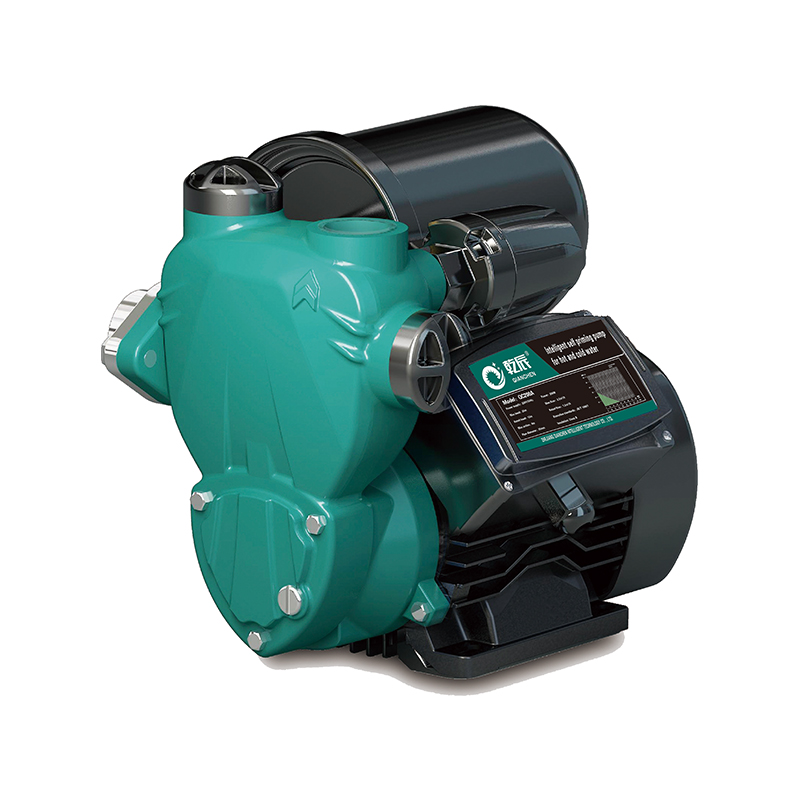 QC-A Series Vortex Self-Priming Smart Pump
-
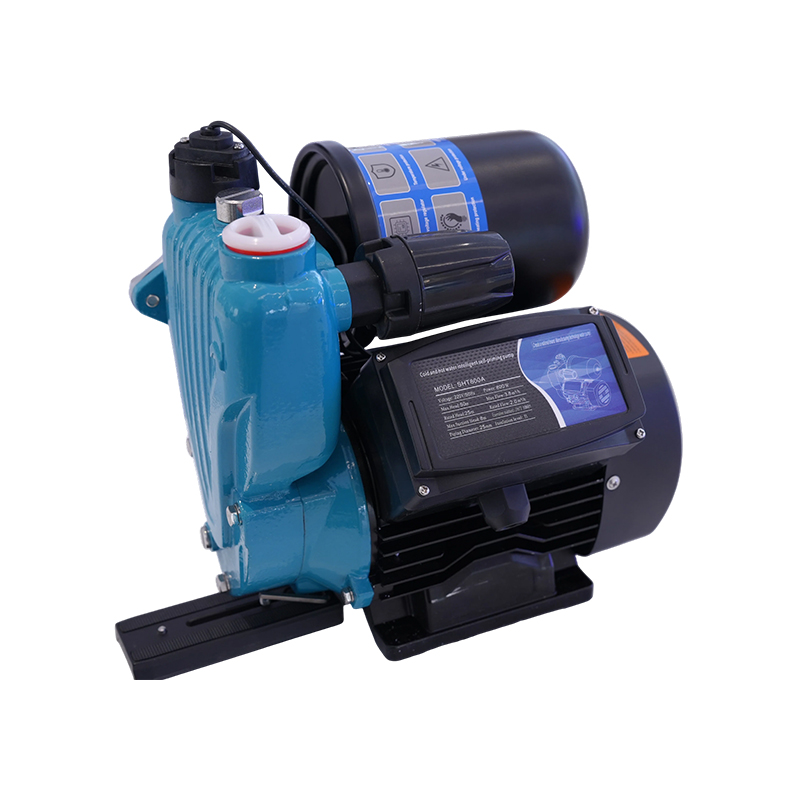 SHT-A Series Vortex Self-Priming Smart Pump
-
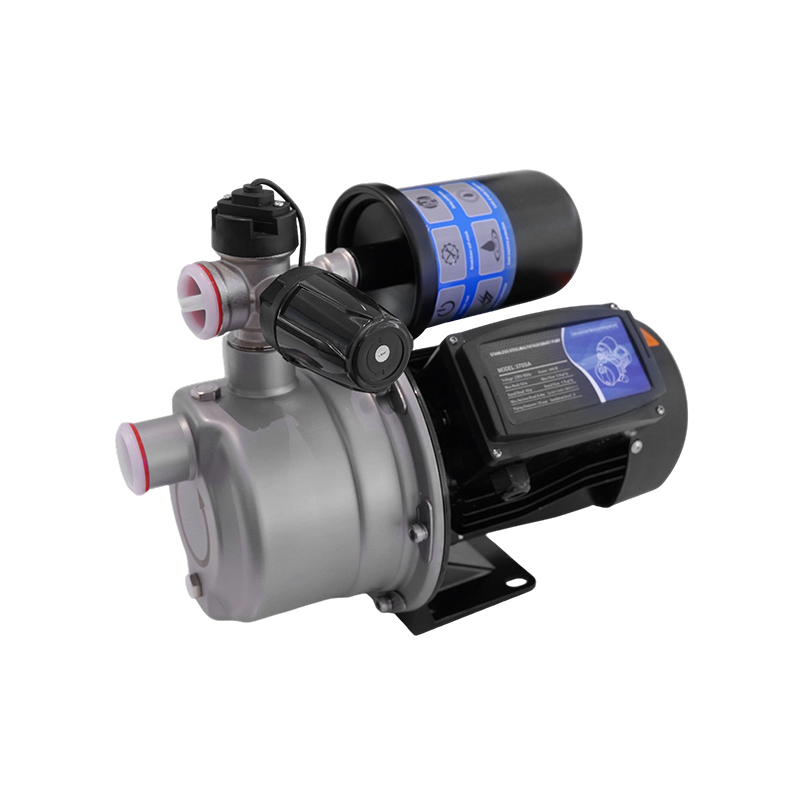 SHT-SA/SP Series Stainless Steel Multistage Centrifugal Smart Pump
-
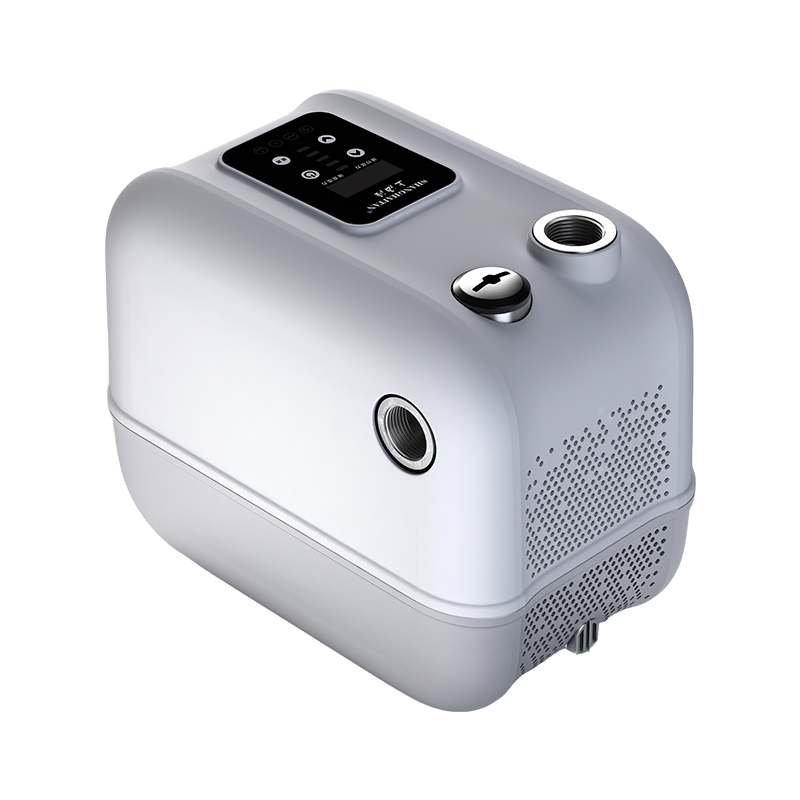 E-Series Permanent Magnet Variable Frequency Domestic Pump
-
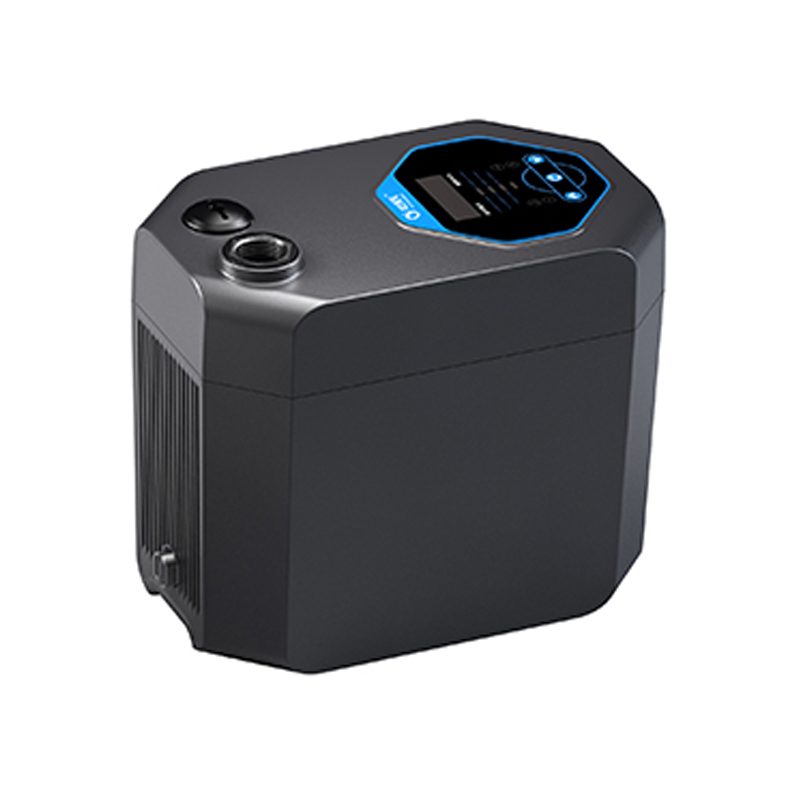 C-Series Permanent Magnet Variable Frequency Domestic Pump
-
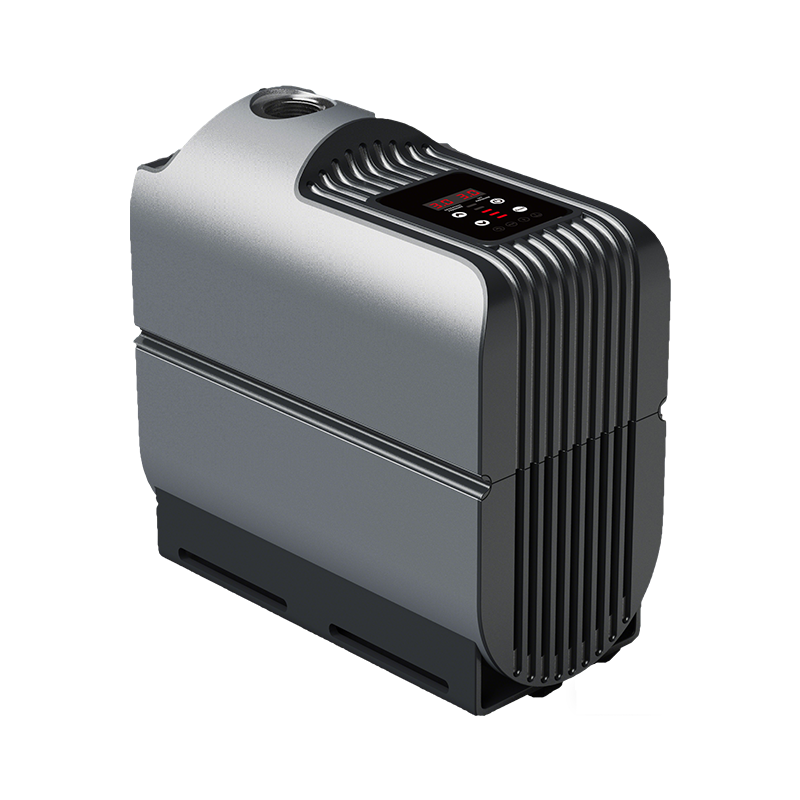 AK Series Permanent Magnet Constant Pressure Variable Frequency Domestic Pump
-
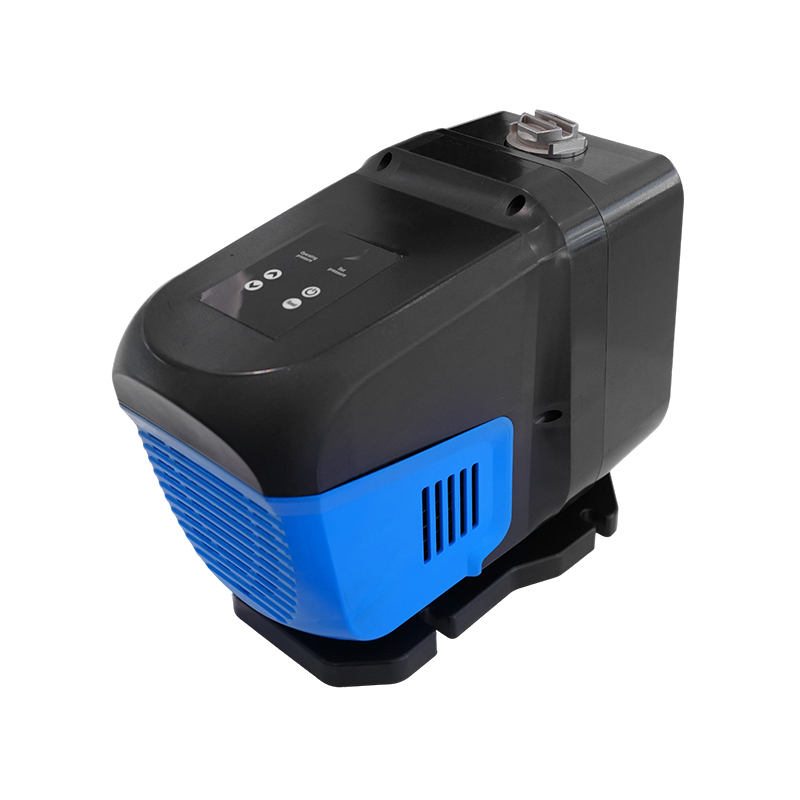 GPS Series Multistage Permanent Magnet Constant Pressure Variable Frequency Domestic Pump
-
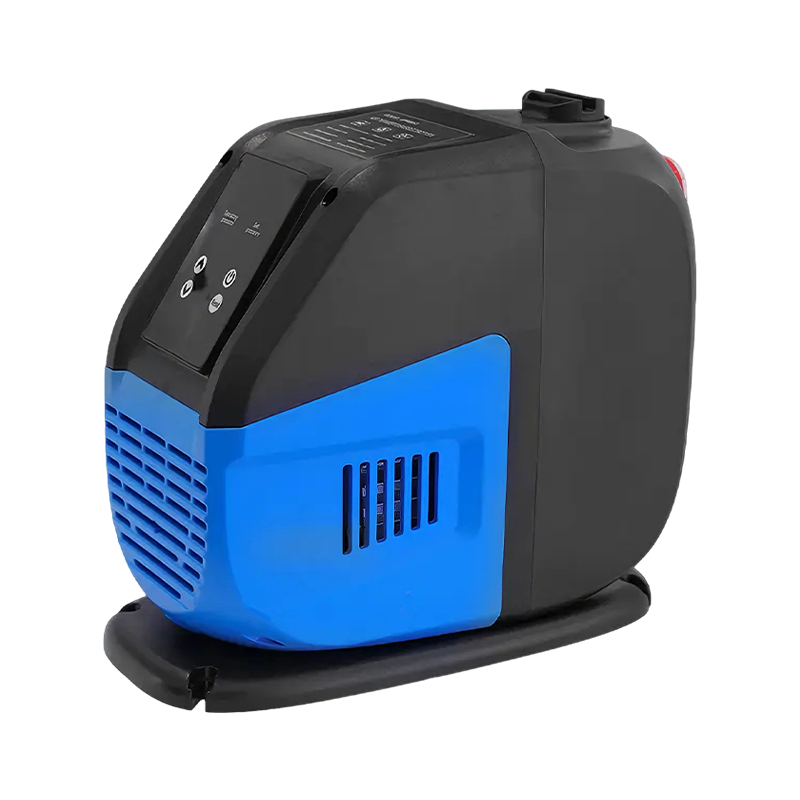 GPM Series Vortex Permanent Magnet Constant Pressure Variable Frequency Domestic Pump
-
-
Contact Us
Phone: (+86)-15818077776
E-mail: Jim@qcpumps.cnNo. 218 Liancheng West Road (Building 4), Ruoheng Town, Wenling City, Taizhou City, Zhejiang, China
 Catalog Download
-
Quick Links
Home Products Service Support About News Contact -
Latest News
-
Qianchen Intelligence Debuts at Wenling Pump & Motor Expo, PM Technology Draws Attention
qiancheng
· Apr 24, 2026
-
Can a Booster Pump Handle Variable Flow Demands?
qiancheng
· Nov 06, 2026
-
How Does a Permanent Magnet Variable Pump Improve Hydraulic Response?
qiancheng
· Nov 12, 2026
-
Self Priming Booster Pump Design and Function
qiancheng
· Nov 12, 2026
-
