

 Español
 عربى


How Does a Permanent Magnet Variable Pump Improve Hydraulic Response?
Hydraulic systems are widely used in industrial machinery because they can transmit power through pressurized fluid and generate the force required for different operations. However, hydraulic equipment does not always work under the same load conditions. A machine may need high flow during rapid movement and lower flow when performing positioning or holding tasks. This variation has encouraged the use of pump systems that can adjust their output according to operating demands.
A Permanent Magnet Variable Pump combines permanent magnet motor technology with variable hydraulic pump technology. By coordinating motor speed and pump displacement, this configuration allows hydraulic output to respond to different working conditions. It is used in applications where flexible flow control and coordinated power delivery are important to equipment operation.
How a Permanent Magnet Variable Pump Works
A conventional fixed-speed hydraulic system generally operates with a relatively stable motor speed. When the machine requires less hydraulic flow, part of the pump output may not be directly needed by the actuator.
A variable pump system takes a different approach. It adjusts hydraulic output according to the required flow and pressure conditions. When combined with a permanent magnet motor, the system can also regulate motor speed through an appropriate drive controller.
The operating process involves several coordinated stages:
- The control system receives operating signals from the hydraulic equipment.
- The motor controller adjusts the permanent magnet motor speed according to the required operating conditions.
- The hydraulic pump delivers fluid to the connected circuit.
- Flow and pressure respond to changes in machine movement and load requirements.
A Permanent Magnet Variable Pump therefore integrates electrical drive control with hydraulic power delivery rather than treating the motor and pump as completely separate operating units.
The Role of Permanent Magnet Motor Technology
The motor is an important part of this pump configuration. Permanent magnet motors use magnetic materials within the rotor to generate the magnetic field required for operation.
Unlike conventional induction motors, permanent magnet motors do not rely on rotor current to create their magnetic field. This structural difference supports a compact motor design and provides favorable operating characteristics across different speed ranges.
Several characteristics are relevant to industrial hydraulic applications:
- Compact Structure: The motor can provide substantial power within a relatively compact arrangement.
- Speed Regulation: Variable-speed control allows motor output to respond to changing hydraulic requirements.
- Torque Characteristics: Suitable motor configurations can provide the torque needed for hydraulic pump operation.
- Drive Integration: Electronic controllers coordinate motor speed with the operating signals of the hydraulic system.
When integrated into a Permanent Magnet Variable Pump, these characteristics help coordinate electrical input with hydraulic output.
Variable Displacement and Flow Control
Pump displacement is another important factor in hydraulic performance. It refers to the amount of fluid a pump delivers during each rotation.
Variable displacement pumps can change their delivery volume according to system requirements. Depending on the pump design, this adjustment may be achieved through mechanisms such as a variable swash plate or other displacement-control structures.
Motor speed and pump displacement influence hydraulic flow together. For example, a machine performing rapid cylinder movement may require a larger flow rate. During a slower positioning operation, the required flow may decrease.
By coordinating these two control methods, a Permanent Magnet Variable Pump can adapt its delivery characteristics to different working stages.
This arrangement is particularly useful for machinery that frequently changes operating speed, movement distance, or hydraulic load.
-
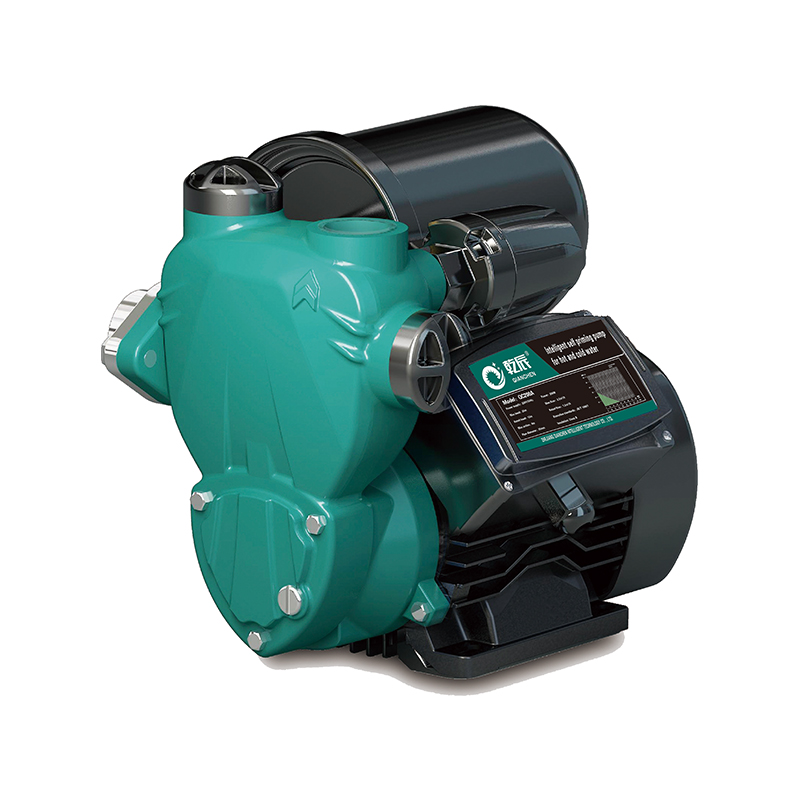 QC-A Series Vortex Self-Priming Smart Pump
-
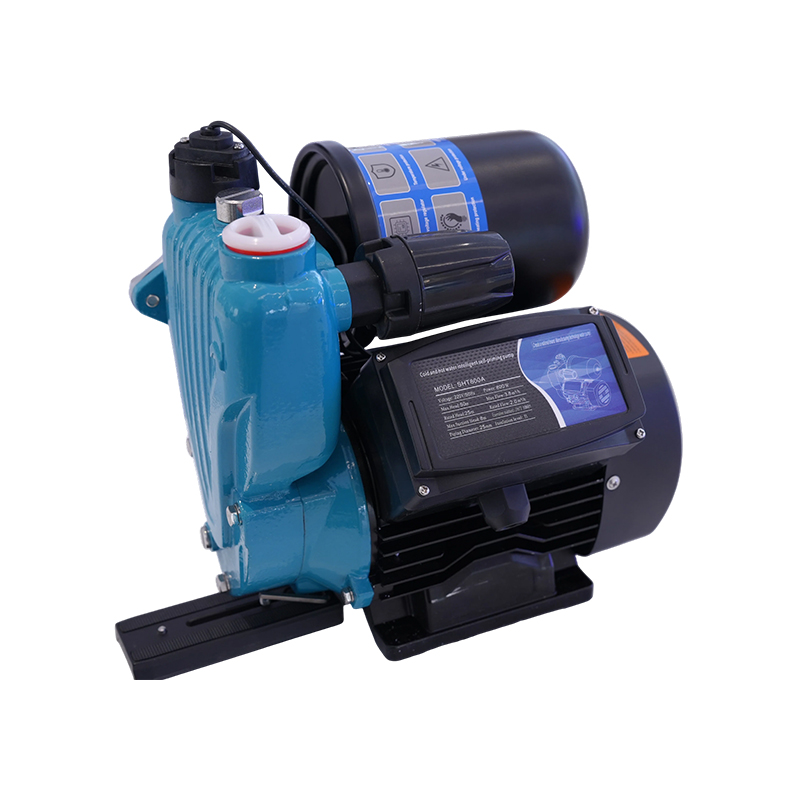 SHT-A Series Vortex Self-Priming Smart Pump
-
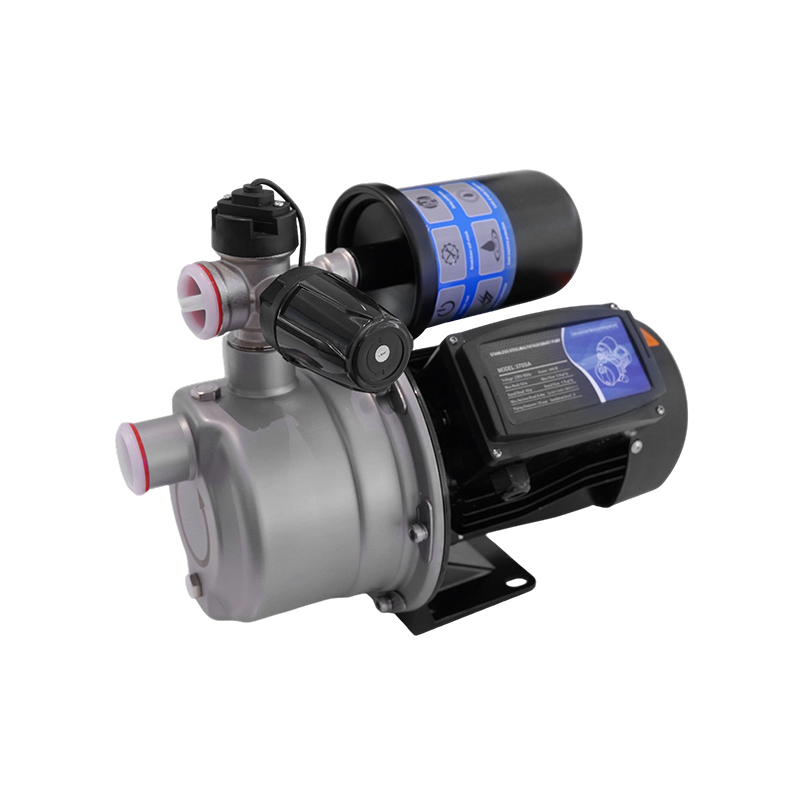 SHT-SA/SP Series Stainless Steel Multistage Centrifugal Smart Pump
-
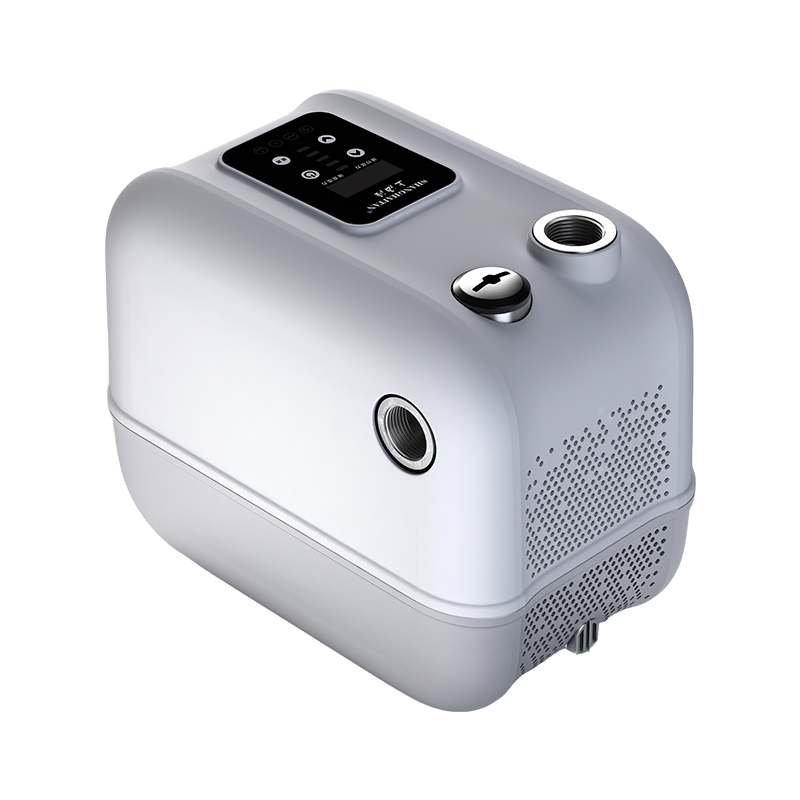 E-Series Permanent Magnet Variable Frequency Domestic Pump
-
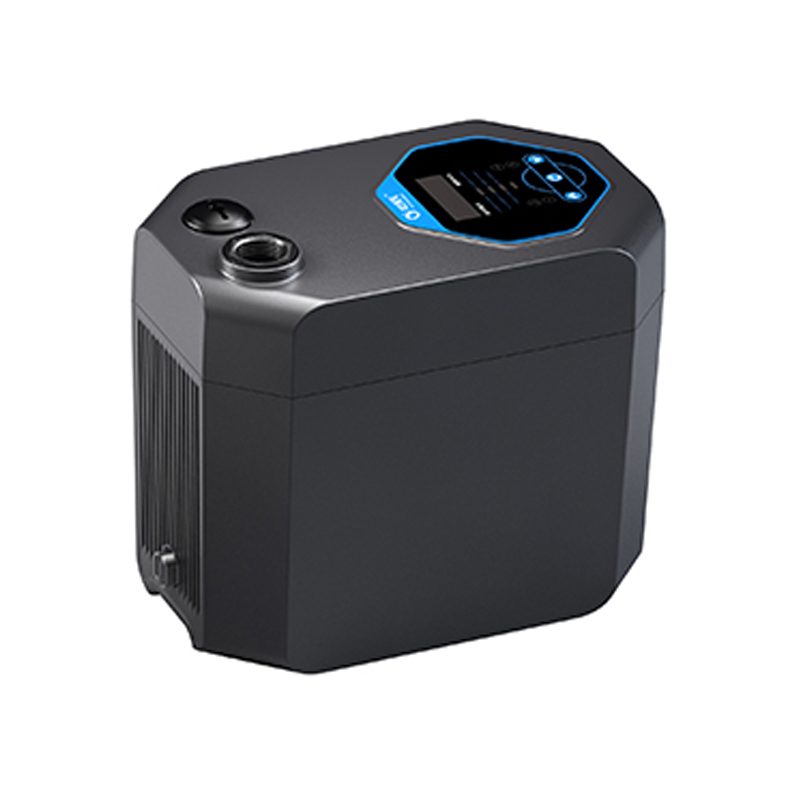 C-Series Permanent Magnet Variable Frequency Domestic Pump
-
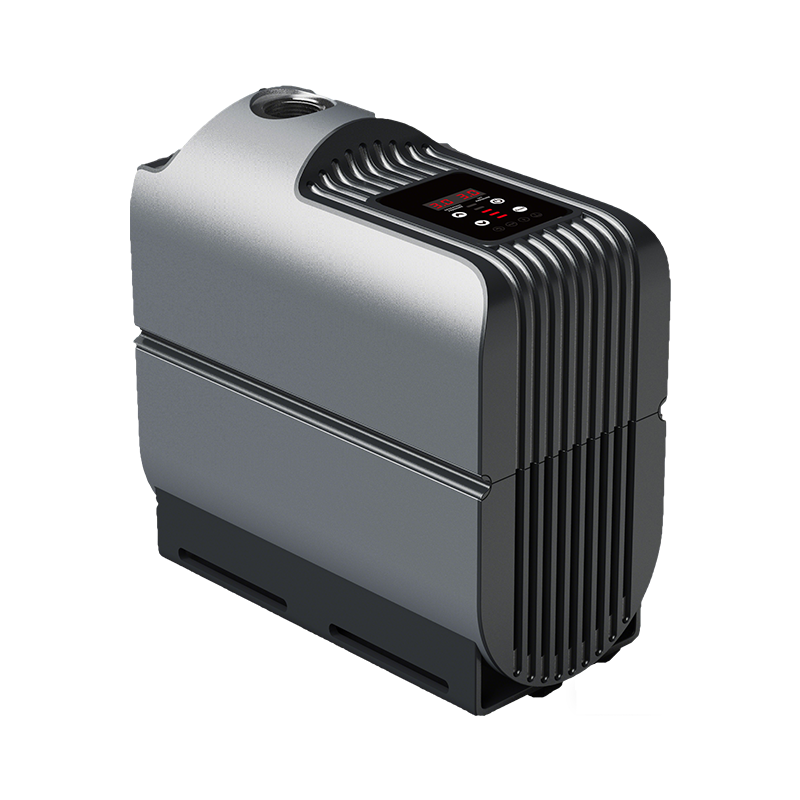 AK Series Permanent Magnet Constant Pressure Variable Frequency Domestic Pump
-
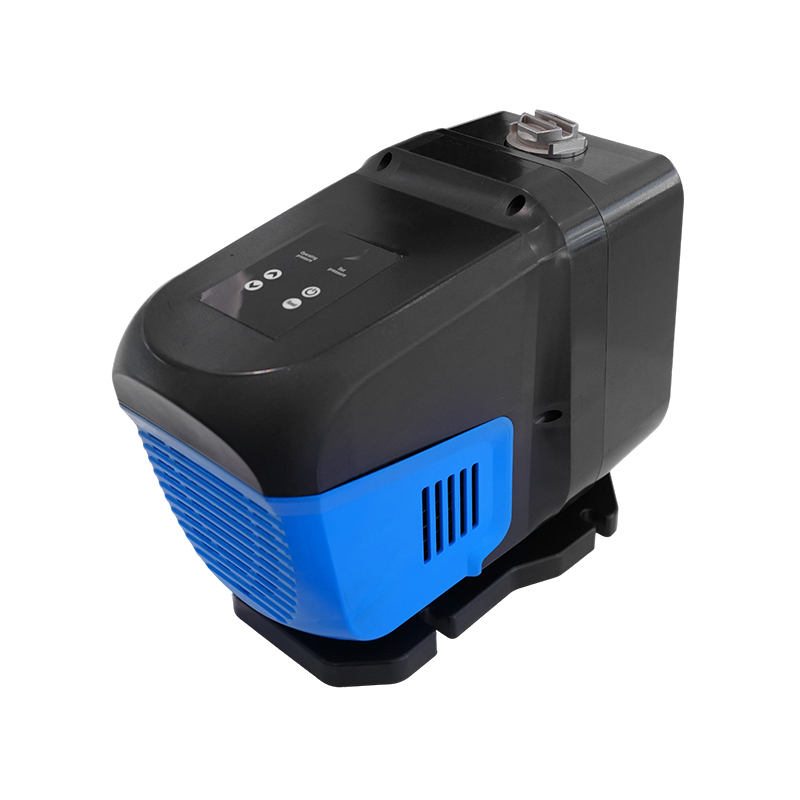 GPS Series Multistage Permanent Magnet Constant Pressure Variable Frequency Domestic Pump
-
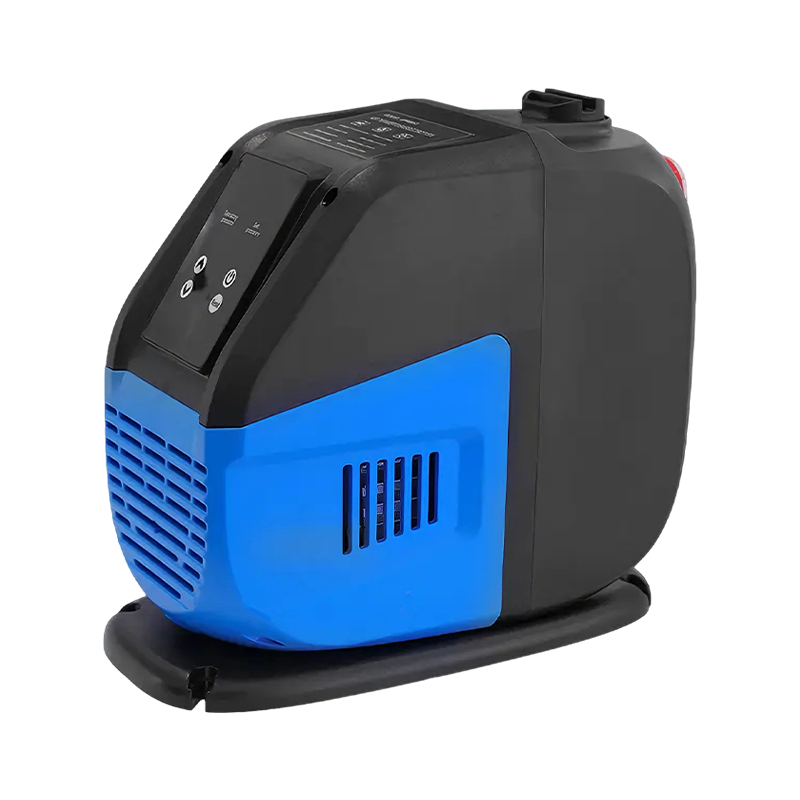 GPM Series Vortex Permanent Magnet Constant Pressure Variable Frequency Domestic Pump
-
-
Contact Us
Phone: (+86)-15818077776
E-mail: Jim@qcpumps.cnNo. 218 Liancheng West Road (Building 4), Ruoheng Town, Wenling City, Taizhou City, Zhejiang, China
 Catalog Download
-
Quick Links
Home Products Service Support About News Contact -
Latest News
-
Qianchen Intelligence Debuts at Wenling Pump & Motor Expo, PM Technology Draws Attention
qiancheng
· Apr 24, 2026
-
Can a Booster Pump Handle Variable Flow Demands?
qiancheng
· Nov 06, 2026
-
How Does a Permanent Magnet Variable Pump Improve Hydraulic Response?
qiancheng
· Nov 12, 2026
-
Self Priming Booster Pump Design and Function
qiancheng
· Nov 12, 2026
-
