

 Español
 عربى


Self Priming Booster Pump Design and Function
A self priming booster pump combines the ability to clear air from its suction line with the capacity to increase fluid pressure downstream. This dual function makes it useful in setups where the liquid source sits below the pump or where additional pressure is needed after the initial lift. For overseas buyers sourcing equipment for industrial water systems, irrigation networks, or process lines, understanding the working principle and construction of a self priming booster pump supports informed selection.
The pump starts by removing air from the suction piping and casing. Once the air is expelled and liquid fills the volute, it shifts into normal pumping mode and begins to raise pressure. This sequence allows installation above the liquid level without the need for a separate priming device in many cases. The booster aspect then delivers higher discharge pressure to meet system requirements further along the pipeline.
Core Operating Principle
Inside a self priming booster pump, an impeller spins within a specially shaped casing that retains a volume of liquid even after shutdown. During startup, the rotating impeller mixes residual liquid with incoming air, creating a mixture that is discharged through a separation chamber. Air exits while liquid returns to the casing. This cycle repeats until the suction line is filled with liquid and continuous flow begins.
Once primed, the same impeller generates the pressure increase. The geometry of the impeller and diffuser determines the flow rate and pressure rise. Many designs include a built-in check valve or recirculation path that helps maintain the liquid reservoir needed for the next start. The self priming booster pump therefore handles both the initial air clearance and the ongoing pressure boost within a single unit.
Materials and Construction Elements
Housings for a self priming booster pump are commonly cast from iron, stainless steel, or engineered composites, depending on the fluid and operating environment. Impellers may be bronze, stainless steel, or thermoplastic to match chemical compatibility and wear resistance. Shaft seals prevent leakage along the drive shaft, while bearings support the rotating assembly under the loads created by pressure and flow.
The suction and discharge ports are sized and threaded or flanged to connect with standard piping. Some models incorporate a priming chamber or external recirculation line that improves air-handling capacity. Motor mounting arrangements vary between close-coupled and long-coupled configurations, allowing flexibility in space planning and power source selection.
Application Across Different Operating Environments
Manufacturing plants, water transfer stations, and commercial facilities all incorporate self priming booster pumps where suction lift and pressure increase are required together. The units handle clean water in many installations and can manage light solids or mildly aggressive fluids when materials are selected accordingly. Flow rates and pressure ratings span a range that covers small transfer duties up to larger distribution tasks.
In temporary or mobile setups, the ability to self-prime allows quick deployment without extensive suction-side preparation. Fixed installations benefit from the same feature during initial commissioning or after maintenance draining. The self priming booster pump therefore fits both permanent infrastructure and flexible process arrangements.
A self priming booster pump provides air-handling capability at startup and pressure increase during continuous operation. Its combination of residual liquid retention, impeller design, and material options allows it to serve in systems where the liquid source is below the pump and higher discharge pressure is needed. Buyers can match casing material, impeller type, and port configuration to the fluid and layout of their specific application.
-
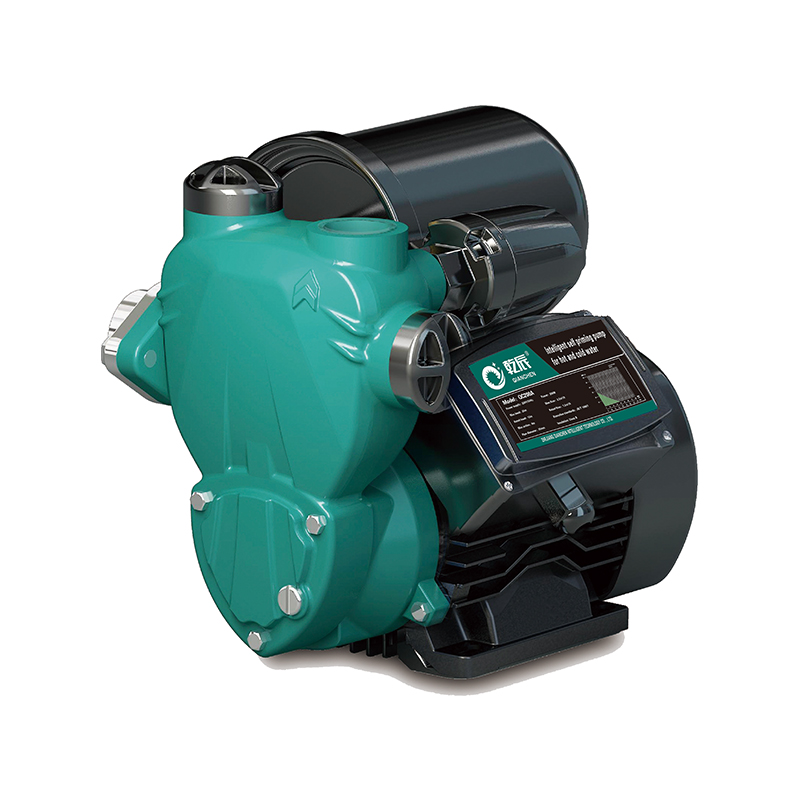 QC-A Series Vortex Self-Priming Smart Pump
-
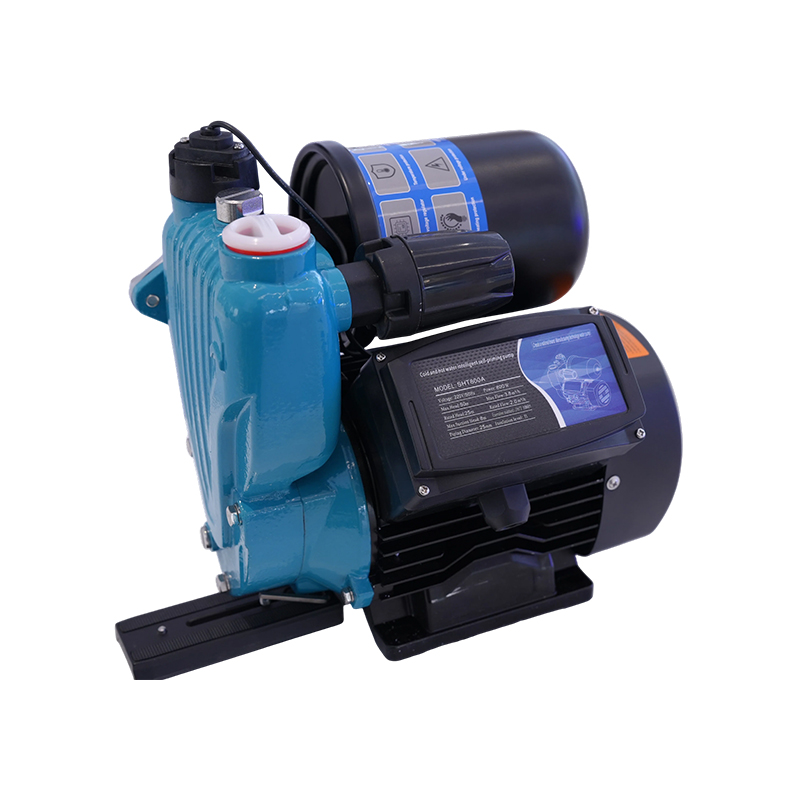 SHT-A Series Vortex Self-Priming Smart Pump
-
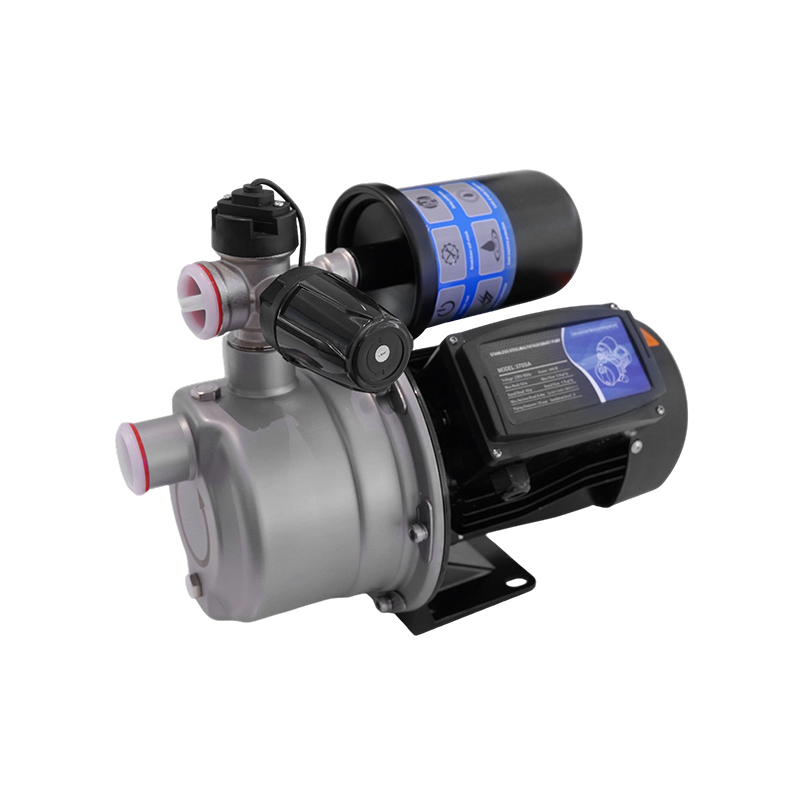 SHT-SA/SP Series Stainless Steel Multistage Centrifugal Smart Pump
-
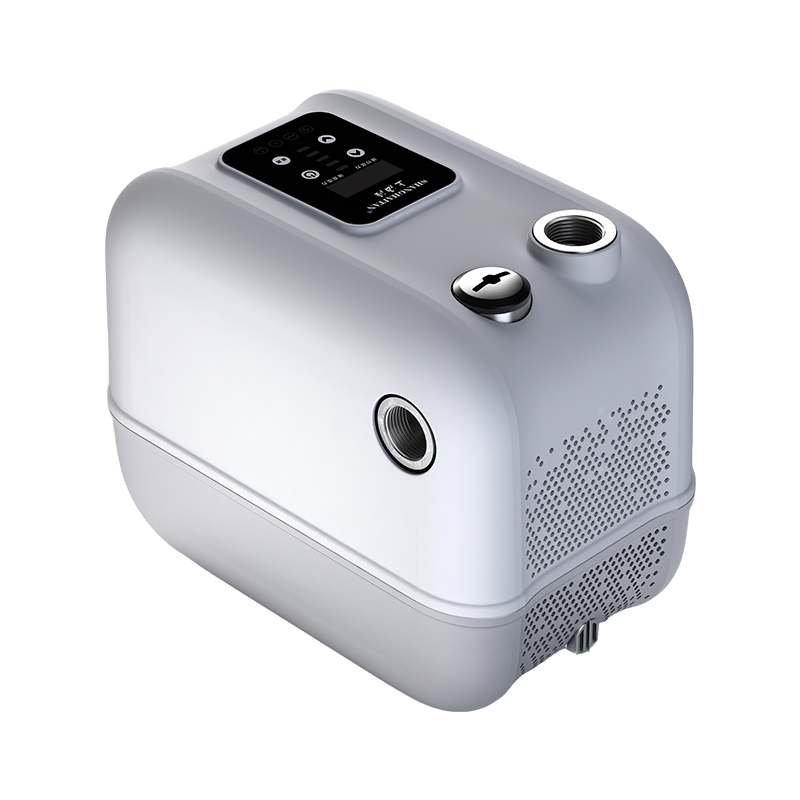 E-Series Permanent Magnet Variable Frequency Domestic Pump
-
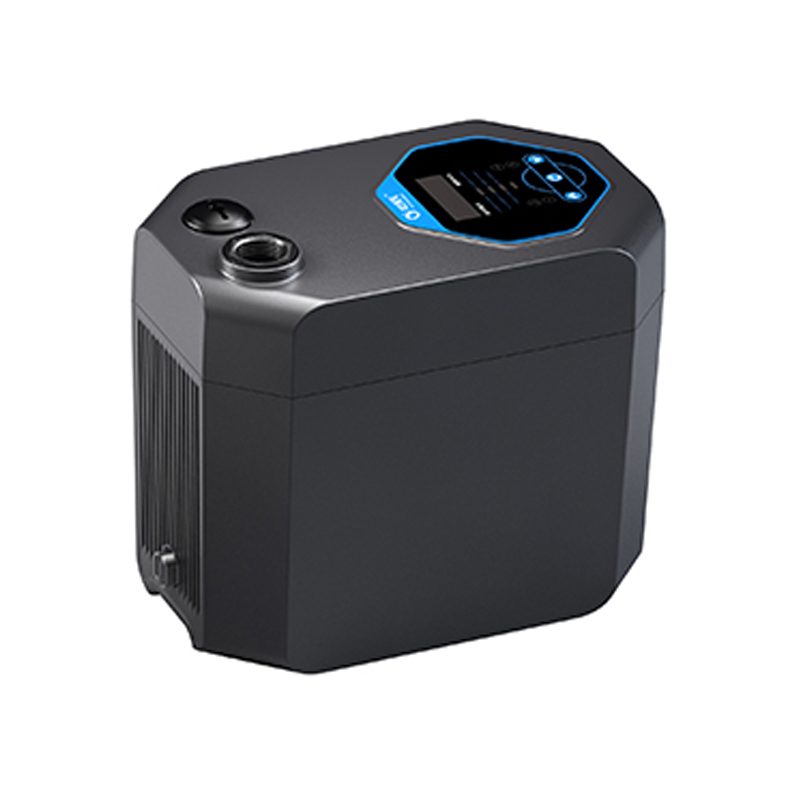 C-Series Permanent Magnet Variable Frequency Domestic Pump
-
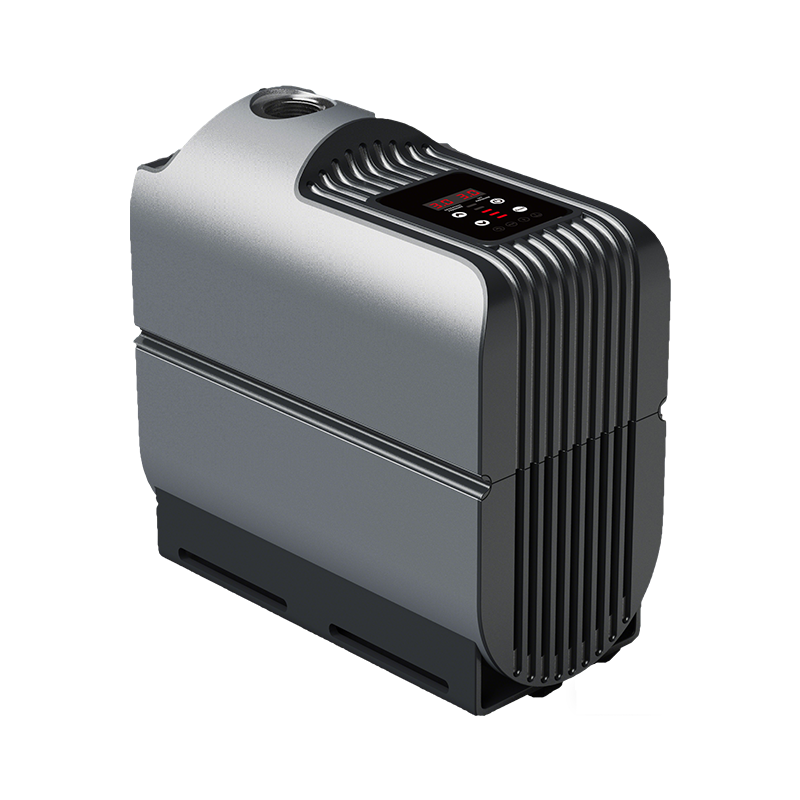 AK Series Permanent Magnet Constant Pressure Variable Frequency Domestic Pump
-
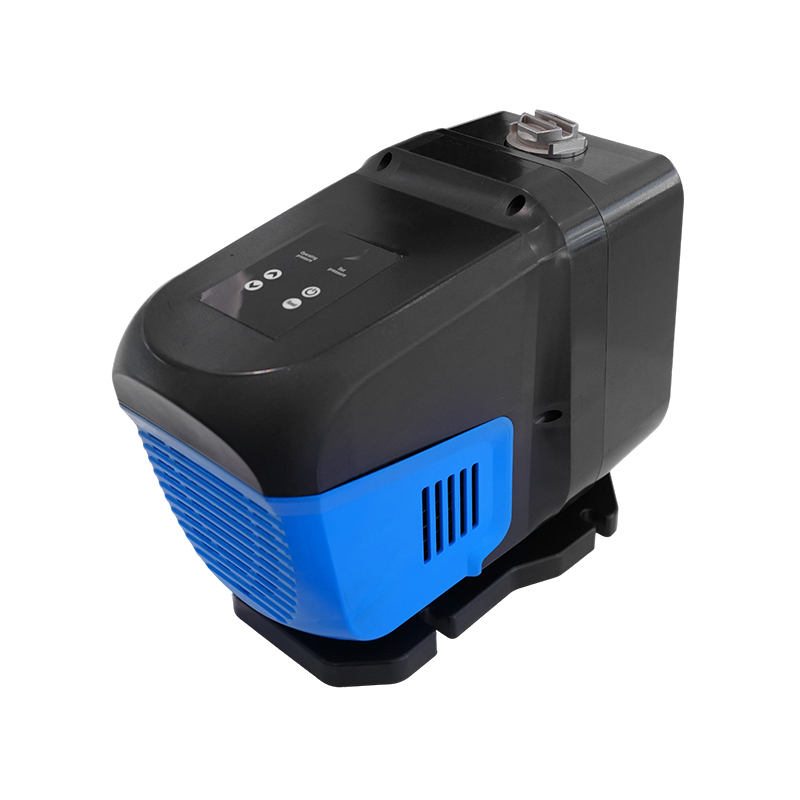 GPS Series Multistage Permanent Magnet Constant Pressure Variable Frequency Domestic Pump
-
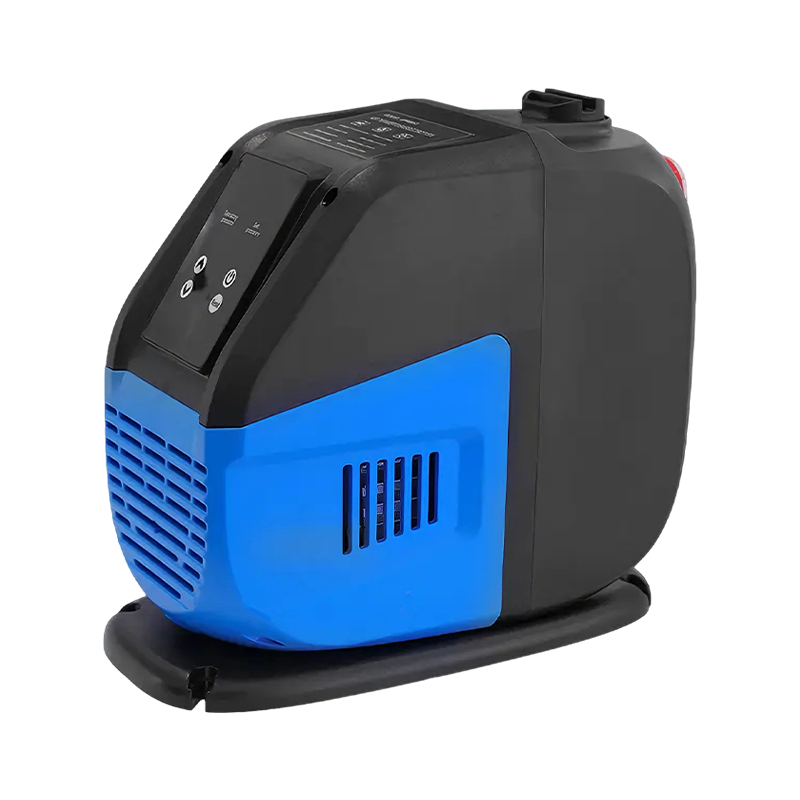 GPM Series Vortex Permanent Magnet Constant Pressure Variable Frequency Domestic Pump
-
-
Contact Us
Phone: (+86)-15818077776
E-mail: Jim@qcpumps.cnNo. 218 Liancheng West Road (Building 4), Ruoheng Town, Wenling City, Taizhou City, Zhejiang, China
 Catalog Download
-
Quick Links
Home Products Service Support About News Contact -
Latest News
-
Qianchen Intelligence Debuts at Wenling Pump & Motor Expo, PM Technology Draws Attention
qiancheng
· Apr 24, 2026
-
Can a Booster Pump Handle Variable Flow Demands?
qiancheng
· Nov 06, 2026
-
How Does a Permanent Magnet Variable Pump Improve Hydraulic Response?
qiancheng
· Nov 12, 2026
-
Self Priming Booster Pump Design and Function
qiancheng
· Nov 12, 2026
-
